Mycotoxin Testing
Testing for mycotoxins in humans is a simple and usually noninvasive procedure. In most cases, only a urine sample is required. Testing can also be done on tissue biopsy collected by a physician. 26 states + DC now allow patients to order their own lab tests (check website to see if your state applies).
If you reside in one of those states, you may purchase your DAT (Direct Access Test) online. Non-DAT patients must have a physician’s order to purchase. If mold or mycotoxins are found to be present, the ordering healthcare professional can schedule a consultation with our medical team to discuss treatment options.
Mycotoxins are well documented for their toxic effects on the human cell, causing a number of problems in normal cell function and association with a wide variety of clinical symptoms and diseases as shown below.
In This Guide
Health Effects
- Kidney Toxicity
- Immune Suppression
- Cognitive Dysfunction
- Neurotoxicity
- Depression
- Chronic Fatigue Syndrome
- Cancer
- Acute Pulmonary Hemorrhage
- Aplastic Anemia
- Birth Defects
The RealTime Labs mycotoxin test detects 16 different mycotoxins, including 9 macrocyclic trichothecenes. Testing is done using competitive ELISA, a very sensitive detection method using antibodies prepared against mycotoxins. The validation testing has been published in peer reviewed journal (2009). In fact, RealTime Labs was recently granted a U.S. patent for its macrocyclic trichothecene test.
Test Information
| Price: | $399 |
| Turn Around Time: | 10 business days |
| Sample Type: | Urine |
| Tests For: | 16 Mycotoxins including Aflatoxins, Trichothecenes and others like Gliotoxin |
| Advantages: | Tests for 16 mycotoxins with ELISA |
| Test Kit | 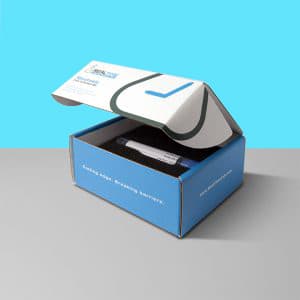 |
 |
All mycotoxin testing results are displayed in an easy-to-understand numeric format, showing detection levels in ppb as standardized by the FDA, WHO, CDC and Food Industry for clinical use. Results also tell if the test was present or not present, or equivocal, along with ranges of detection for each.
A group of mycotoxins produced by some Aspergillus species and some Penicillium species, especially P. verrucosum and P. carbonarius. Ochratoxin A is the most prevalent and relevant fungal toxin of this group, while ochratoxins B and C are of lesser importance.
Mycotoxins We Test For
AFLATOXINS
A family of fungi strains that affect plant products, aflatoxins have been linked to liver cancer, hepatitis, cirrhosis, and other health issues. Exposure occurs when consuming contaminated plant products, eating meat or dairy from animals that have eaten contaminated feed, or inhaling dust while working with contaminated products.
- Aflatoxin B1 – Of the four aflatoxins that cause cancer in humans and animals, aflatoxin B1 is the most toxic, and is classified by the World Health Organization as a class 1 carcinogen. Though it primarily attacks the liver, this mycotoxin can also affect the kidneys, lungs and other organs.
- Aflatoxin B2 – Like aflatoxin B1, aflatoxin B2 is produced by the fungi Aspergillus flavus and A. parasiticus. It’s also a toxin and carcinogen that contaminates food products, primarily affects the liver and kidneys and enters the body through the lungs, mucous membranes (nose and mouth), or even the skin, but is less potent than aflatoxin B1.
- Aflatoxin G1 – Born from a soil-borne fungus like the other aflatoxins, G1 also contaminates a wide range of food products including peanuts, cottonseed meal, oilseeds, vegetable oils, corn, and other grains in human food and animal feed. Aflatoxin contamination is most common in humid environments, especially tropical and subtropical regions.
- Aflatoxin G2 – The least toxic aflatoxin, G2 is still dangerous to humans and animals. Though less lethal than some of the other aflatoxins, G2 can also cause liver problems (including cancer, chronic hepatitis, and jaundice) and appears to play a role in Reye’s syndrome. Like all aflatoxins, it can also adversely affect the immune system.
TRICHOTHECENES
Produced by at least five types of fungi, this group of mycotoxins includes around 170 types of toxins. Some types contaminate plants, including grains, fruits, and vegetables. Others thrive in soil and decaying organic material. Several types of trichothecenes are infamously produced by Stachybotrys chartarum, also called black mold.
- Satratoxin G – Though all of the trichothecenes are highly toxic, tests have determined that Satratoxin G is the most dangerous to people and animals. The black mold Stachybotrys chartarum produces several types of trichothecenes, but produces Satratoxin G and H in greater amounts than other toxins.
- Satratoxin H – Not all strains of black mold (Stachybotrys chartarum) produce mycotoxins, but the ones that do typically produce more than one kind, including Satratoxin H. The mold is found on some agricultural materials, and in damp or water-damaged environments. Evidence suggests the mold is a serious problem in North America.
- Isosatratoxin F– Another trichothecene mycotoxin produced by Stachybotrys chartarum, Isosatratoxin F is one of the contributors to “sick building syndrome,” where health issues of building occupants are directly tied to time spent in mold-infected buildings. A 1984 World Health Organization Committee report suggested that up to 30 percent of new and remodeled buildings are possible causes of health problems due to poor air quality.
- Roridin A – Like other macrocyclic trichothecenes, Roridin A is produced by mold, and is associated with a number of acute and chronic respiratory tract health problems. Experiments have shown that exposure to Roridin A can cause nasal inflammation, excess mucus secretion, and damage to the olfactory system.
- Roridin E – Like many of the mycotoxins, Roridin E can cause the above respiratory and olfactory issues, and may also disrupt the synthesis of DNA, RNA, and protein, which can impact every cell in the body. Roridin E grows in moist indoor environments, but can also be produced by a soil fungus that contaminates foodstuffs, and is passed down the food chain to animals and then to humans.
- Roridin H – Affecting human and animal health in much the same ways as other trichothecene mycotoxins, Roridin H is produced by mold, especially Stachybotrys chartarum, which grows well on many building materials subject to damp conditions, including wood-fiber, bards, ceiling tiles, water-damaged gypsum board, and air conditioning ducts.
- Roridin L-2 – This mycotoxin is also produced by molds, including black mold. Interestingly, environmental tests cannot always detect Stachybotrys, since its spores are large and heavy and not easily dispersed into the air. Unfortunately, mycotoxin molecules, including the very toxic Rorodin l2, are light and easily airborne and inhaled by occupants of an infected building.
- Verrucarin J – Yet another mycotoxin produced by Stachybotrys chartarum, Verrucarin molecules are small enough to be airborne and easily inhaled. Experiments have determined that inhalation is the most dangerous form of exposure, but trichothecene mycotoxins can easily cross cell membranes, which means they can also be absorbed through the mouth and even the skin.
- Verrucarin A – One of the most toxic trichothecenes, Verrucarin A is also produced by fungi and mold. Like Roridin E, Verrucarin A is found not only in molds in damp environments but also in molds that occur naturally on a variety of crops intended for human and animal consumption.
OTHER
- Gliotoxin – The most common cause of mold diseases in humans is Aspergillus fumigatus, which produces gliotoxin, a mycotoxin that suppresses the immune system. Found in many homes and buildings, A. fumigatus typically only infects individuals with compromised immune systems but can be deadly: Invasive Aspergillosis (IA) is the leading cause of death in immunocompromised people.
- Ochratoxin A (OTA) – A toxin produced by different Aspergillus and Penicillium species — is one of the most-abundant food-contaminating mycotoxins. It is also a frequent contaminant of water-damaged houses and of heating ducts. Exposure can also come from inhalation in water-damaged buildings.
Why Mold Urine Tests?
Testing for mold exposure using a mold urine test might seem counter intuitive but it is actually the best way to find mold in the body. Mycotoxin exposure is a serious medical issues that can cause other health problems, Realtime Labs uses small urine test to determine if you have been exposed to toxic mold.
Frequently Asked Questions
What is mycotoxin testing?
Mycotoxin testing detects the presence of harmful mycotoxin metabolites caused by mold or fungi in the body or home with a Urine or Environmental test.
How can mycotoxins be detected?
Mycotoxins can be detected with urine or home dust sample using one of our mycotoxin test kits.
What does a positive mycotoxin test mean?
It means that you have detectable levels of mycotoxins in the sample tested. After receiving a positive test you should consult your doctor for further testing and advice.